As a parent, you watch your child's smile change almost every year. Baby teeth wiggle loose, adult teeth come in, and sometimes they don't line up the way you expected. That's when many parents start wondering about an orthodontic evaluation for children and when to schedule one. At Bruno Braces in Woodside, Dr. Robert W. Bruno has been helping Queens families answer that question since 1991. The answer may surprise you: it's earlier than most people think.
What Age Should My Child Have Their First Orthodontic Visit?
The American Association of Orthodontists recommends that children have their first orthodontic check by age 7. At that age, most kids have a mix of baby and permanent teeth, including their first adult molars and front teeth. That combination gives an orthodontist a clear view of how the bite is developing and how the jaws are growing.
An orthodontic evaluation for children at age 7 doesn't mean your child will get braces right away. Most kids we see at this age simply need monitoring. The goal is to spot potential problems early, while there's still time to guide growth instead of correcting issues later.
Why Not Wait Until All the Adult Teeth Come In?
Many parents got braces at 12 or 13, so waiting feels natural. But some problems are much easier to treat while a child is still growing. A young jaw responds well to gentle guidance, and early care can sometimes reduce the length or complexity of treatment down the road.
For plenty of children, waiting really is the best plan. An early orthodontic evaluation for children simply helps you make that call with real information instead of guesswork.
What Signs Suggest My Child Needs an Orthodontist Sooner?
Some signs are worth paying attention to, even before age 7. Consider scheduling a visit if you notice any of the following:
- Baby teeth falling out very early or very late
- Crowded, overlapping, or widely spaced teeth
- Trouble chewing or biting
- Mouth breathing or loud snoring at night
- Thumb or finger sucking after age 5
- Front teeth that stick out or don't meet when biting
- A jaw that shifts, clicks, or sits off-center
- Frequent biting of the cheeks or roof of the mouth
Snoring and mouth breathing deserve special mention. They can be linked to airway concerns, and Dr. Bruno can help determine whether jaw or bite development plays a role.
What Happens During an Orthodontic Evaluation for Children?
Our Woodside office is child-friendly, and a first visit is relaxed and quick. Dr. Bruno will look at your child's teeth, bite, and jaw alignment. He may take X-rays or photos to see teeth that haven't come in yet and to check how the jaws are growing.
Afterward, he'll explain what he found in plain language and answer your questions. Most recommendations fall into one of three categories:
- Everything looks on track. We'll simply check in as your child grows.
- Let's keep an eye on it. We'll monitor a developing issue and step in only if needed.
- Early treatment would help. We'll walk you through a plan and what to expect.
Best of all, consultations at our practice are free, so there's no cost to find out where your child stands.
What Is Interceptive Orthodontics?
When early treatment makes sense, it's often called interceptive orthodontics, or Phase 1 treatment. This approach addresses specific problems while the jaw is still developing. Depending on your child's needs, it might include:
- Space maintainers to hold room for an adult tooth when a baby tooth is lost early
- Appliances that guide jaw growth or correct a crossbite
- Limited braces to fix protruding or crowded front teeth
Interceptive treatment is usually shorter than full orthodontic treatment. Some children will still benefit from a second phase with braces or Invisalign Teen later on, but that phase is often simpler and faster thanks to the early work.
Is Early Treatment Worth the Investment?
It's a fair question, and one we're happy to discuss openly. Dr. Bruno only recommends early treatment when there's a clear benefit for your child. If waiting is the better choice, he'll tell you.
We also want to make care accessible for Queens families. Our office offers payment plans and accepts many insurance plans, including PPO and HMO plans as well as New York State Medicaid. Our team can verify your coverage before your child's visit so there are no surprises.
Give Your Child a Head Start on a Healthy Smile
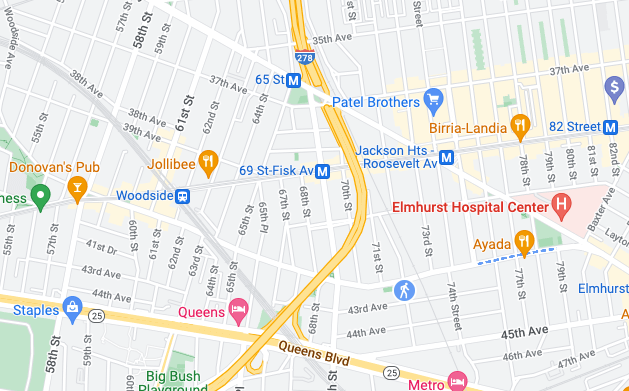
If your child is 7 or older and hasn't had an orthodontic evaluation for children yet, now is a great time to schedule one. Even if everything looks fine, a quick check offers peace of mind and a baseline for future visits. Families from Woodside, Jackson Heights, Astoria, Elmhurst, and across Queens trust Dr. Bruno to give honest answers and gentle care.
Call Bruno Braces at 718-565-7242 to book your child's free consultation. Have questions about insurance or what to expect? Our friendly team is always happy to help.